
What the Delaware County Current Owner Record Shows
Delaware County record detail
| Owner of Record | Delaware County record detail |
|---|---|
| Vesting / Tenancy | Delaware County record detail |
| Mailing Address | Delaware County record detail |
| Situs Address | Delaware County record detail |
| Deed Reference | Delaware County record detail |
| Ownership Since | Delaware County record detail |
Delaware County record detail
Confirming the Current Owner in Delaware County
Delaware County record detail
- Delaware County record detail
- Delaware County record detail to confirm vesting]
- Delaware County record detail
- Delaware County record detail
- Owner of record
- Delaware County record detail
- Vesting
- Delaware County record detail
- Registered agent
- Delaware County record detail
Reaching a Delaware County Property Owner
Delaware County record detail
Lawful use. Delaware County record detail
Read the Delaware County Owner-of-Record Card Carefully
Every field on the owner-of-record card does distinct work. Current Owners Name shows the assessed owner, while Current Owners Address carries the mailing destination. Location, parcel number, class, account, deed book and page, and roll year all appear on the card. Use them to confirm the row matches the intended parcel. Copy wording exactly. Life estates, trusts, joint names, and entity suffixes all shape how title is vested. A paraphrased name can hide the real ownership structure.
Measure Delaware County Owner Freshness by Dates
No fixed countywide deed-to-roll refresh lag was verified. Treat the roll as a dated snapshot. The 2026 Stamford roll, for example, identifies a July 1, 2025 valuation date and March 1, 2026 taxable-status date. Compare those dates with the latest deed recording date. A newer conveyance can be valid even while the older owner remains in an assessment PDF.
Confirm the Current Owner in SearchIQS
SearchIQS lets you confirm the assessed name as grantee. Find the newest instrument whose tax map number or legal description matches the parcel. Then read every grantee, the vesting phrase, the recording date, and the grantor. Book and page from the roll can speed the lookup. It still needs checking against the instrument itself. Fraud alerts on SearchIQS watch selected names rather than addresses. They never replace a full title examination.
Correct a Delaware County Owner or Mailing Error
Real Property Tax Services offers an information-change request. It covers parcel, SWIS, school, town, owner, mailing address, and the source of the correction. A roll correction and a deed correction are different tasks. Route assessment contact changes through RPTS. A defect in a recorded conveyance belongs with the Clerk record. It may call for legal advice.
For older ownership questions, the court-series source can flag paper and microfilm periods. Review Delaware County court record series.
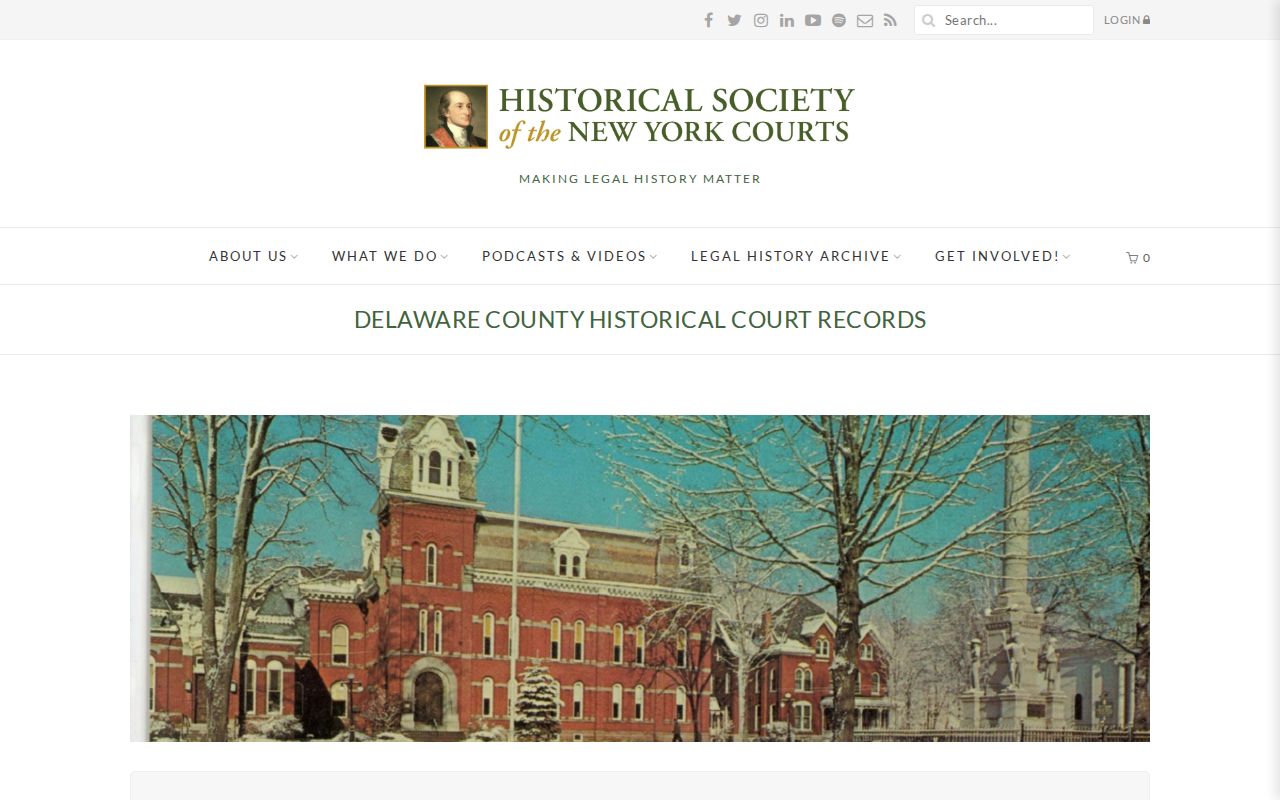
That reference helps separate a current roll problem from an older judicial or estate record issue.
What the Delaware County Owner Field Does Not Prove
The assessment owner field has real limits. It does not prove occupancy. It does not disclose every beneficial interest, list all easements, or guarantee marketable title. It can also lag a new deed. A mortgage names borrowers and lenders without transferring ordinary ownership the way a deed does. A tax mailing address may belong to an agent or a remote owner.
Treat the owner field as a lead, not a verdict. Confirm vesting through the newest matching deed. Check probate or court authority when the chain demands it. Respect substitute addresses under the Address Confidentiality Program. Ownership conclusions that matter deserve a certified record or professional title review.
Keep the parcel number beside every owner name copied from a roll or deed. That habit stops a same-name result from drifting onto the wrong property.
Resolve Delaware County Vesting Language
Copy every grantee and every qualifier from the latest deed. Joint names, trustee capacity, life use, and estate representatives can change the record. Entity designations can change it too. A life estate plus a remainder interest is two interests, not one owner. A trustee is not the trust.
Entities raise separate questions. The New York database can verify status and service address. It may not reveal every beneficial owner. For an estate, the Surrogate's Court file may establish authority. For a trust, the deed and any recorded supporting instrument control the public land-record statement.
Use the Delaware County Deed Reference as a Bridge
A book/page reference on the roll works as a search key. Open that deed, and compare the tax map number and legal description. Then check whether a newer deed exists. If the reference points to an older transfer, compare the recording and roll dates. Do this before assuming the roll is wrong. Then search later instruments under all owners the deed shows. A corrective deed, executor's deed, referee's deed, or quitclaim can reshape the apparent sequence. File mortgages and satisfactions under encumbrances, not ownership transfers.
Contact a Delaware County Owner Through the Record
The roll's mailing address is the normal public channel for a property-related letter. It may be a post office box. It may also be another property, an agent's desk, or an out-of-state address. None of that proves occupancy or error. State a clear property purpose, identify the parcel, and skip repeated or intrusive contact.
If the address looks protected or substituted, do not try to investigate around the protection. Send a legitimate correction request to RPTS with the documented source of the change. Only the custodian can update its record. Only a proper recorded instrument changes deed vesting.
A sound owner-of-record statement stays narrow. It names the party a specified roll or deed shows on a specified date. Nothing more. It makes no claim about occupancy, entity control, or clear title. Keeping that scope visible protects the answer's accuracy. It also tells the next researcher exactly what still needs confirmation.